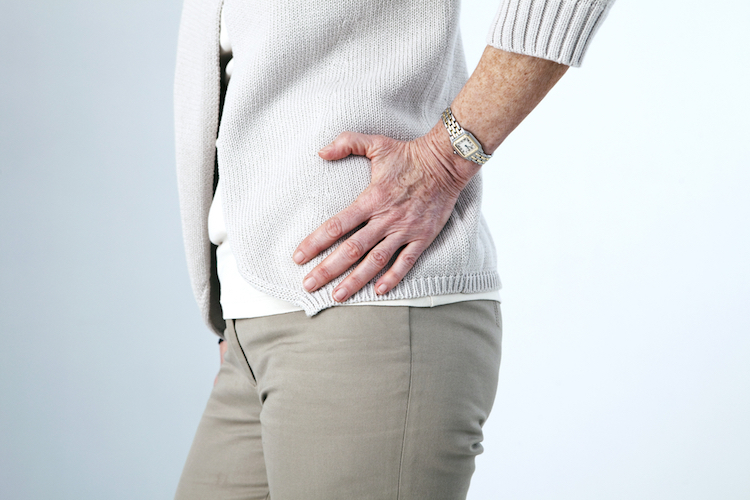
Living with chronic hip pain can have a huge impact on your quality of life. Your hips are vital for standing, sitting, walking and running so constant pain can make everyday life and activities extremely challenging.
Here are some common causes of hip pain and possible treatments:
(1)
Hip fracture – A broken hip is a serious injury, particularly for older people who may struggle to recover fully and can sometimes be unable to live independently following such a fracture. They are most common in people over 65 because bone = becomes less dense as we age and more likely to break. Hip fractures frequently occur as a result of a fall and three quarters of them affect women.
Some hip fractures can occur with minimal trauma or even be almost silent in nature. At the other end of the spectrum hip fractures can occur in younger people after sporting injuries or road accidents. A hip stress fracture occurs after repetitive trauma to the joint, such as seen in military personnel and longer distance runners or cyclists. These can be equally serious and life style changing injuries.
Treatment starts with an accurate and timely diagnosis, and normally requires surgery to fix the fracture using metal plates and screws. In certain cases it is necessary to replace the damaged bone with an artificial hip implant. Rehabilitation is important to regain strength and mobility after surgery. You will be given a range of exercises to do by a physiotherapist.
(2)
Osteoarthritis – This is the term for natural wear and tear of the hip joint with use and time. It describes the process whereby the cartilage in the hip joint wears away or becomes thin, allowing the hip joint bones to rub together. The result is pain, stiffness and loss of mobility. It is a degenerative condition which worsens as the cartilage breaks down.
Treatments include: lifestyle changes, pain medication and anti-inflammatories; walking aids; physiotherapy and exercises such as yoga; injections of corticosteroids to reduce swelling and inflammation or injections of hyaluronic acid to lubricate the joint; platelet-rich plasma therapy to relieve pain and potentially promote an element of healing and in serious cases, hip replacement surgery.

(3)
Bursitis – This is inflammation and swelling of the bursa, a fluid-filled sac that surrounds the joints, cushioning the tendons and bones. It causes pain, swelling and tenderness in the affected area. There are a number of bursas around the hip joint, which can all be affected.
Bursitis develops as result of injury or repetitive movement. It is treated with rest, use of ice therapy, anti-inflammatories and injections of corticosteroids to reduce swelling and inflammation.
(4)
Tendonitis – Overuse of the tendons or discrete injury can cause tendonitis of the hip. There are multiple tendons crossing and inserting into the hip joint, and all can be affected. Tendonitis is inflammation, irritation or swelling and eventual rupture of the tendons and it can be incredibly painful and debilitating.
It is often related to sport or exercise and tends to be more common in older people, as tendons lose their elasticity with age. After accurate diagnosis, treatment often involves a period of rest or appropriate exercise regime. The use of painkillers or anti-inflammatories are often used to relieve symptoms. If you have severe tendonitis you may be offered steroid injections for pain relief, or surgery to ‘clean’ an unhappy tendon or repair a ruptured tendon.
(5)
Dislocation – If you have a significant accident or injury, or if you have had hip replacement surgery, you can dislocate your hip joint, which means the ends of the bones are wrenched from their normal joint position. Hip dislocation is extremely painful and makes it impossible to walk. The nerves that cross the hip joint, which control your leg, can be abnormally stretched or damaged.
Hip dislocation is dealt with as an emergency and an orthopaedic doctor will put your dislocated hip back into its normal position. You will need to use a walking aid or hip brace for several weeks or months while the joint heals. You will need to rest and may have to do special exercises to strengthen the hip joint and legs.

Other common causes of hip pain, including bone bruising, muscle strains and tears to the cartilage surrounding the hip socket (called the labrum) need to be appropriately diagnosed and treated if your hip pain symptoms have not self settled with simple measures such as rest and taking simple painkillers for a short period.
If you are experiencing pain or have injured your hip, talk to us about diagnosis and treatment of your condition.