We commonly use the term “hairline fracture” to refer to a specific type of fracture that typically occurs in the foot or lower leg. But, what is a hairline fracture and what is the difference between this and an ordinary fracture?
Causes
Large bone fractures or breaks are generally the result of some kind of trauma, such as an accident or fall. By contrast, hairline fractures develop gradually as a result of overuse. As such, hairline fractures are extremely common in sports that involve repetitive running or jumping.
Bones have a certain degree of flexibility, which allows them to absorb some of the impact of activities like running, jumping or walking. However, repeating these activities over time places a strain on the bones, causing microscopic cracks, or stress fractures, to develop. Eventually, this stress can cause a hairline fracture to occur.
Long distance runners, for example, are particularly prone to hairline fractures of the foot, ankle and lower leg.
Symptoms
People don’t always realise at first that they have a hairline fracture. Over time, however, they may start to experience a dull pain. Pain levels can very from light to moderate and can be relieved by taking painkillers.
Symptoms to look out for that may indicate a hairline fracture include:
- pain that worsens when you engage in physical activity
- being unable to put too much weight on the injured area without pain
- swelling, bruising and tenderness
Diagnosis
If you suspect you may have a hairline fracture, visit your GP. Ignoring a hairline fracture may result in a more serious fracture or break, which will be harder to treat. Some hairline fractures that are not treated become non-union fractures which will not heal.
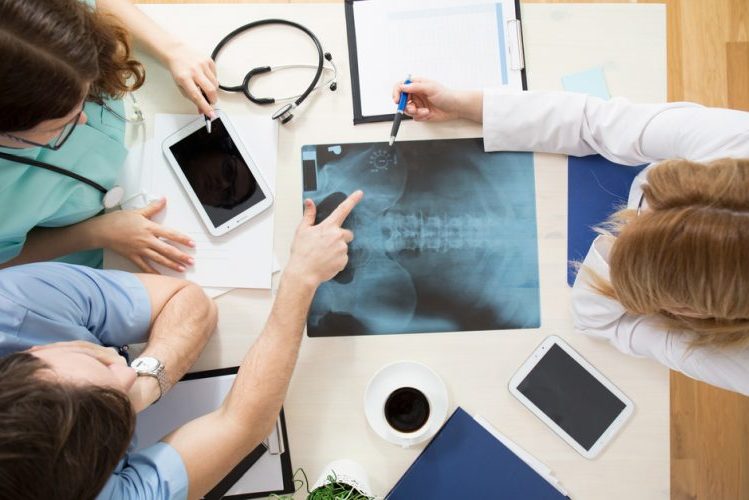
Your doctor will examine the injury site and test your reaction to pressure. You may be sent for an MRI, x-ray or nuclear bone scan to confirm the diagnosis.
Treatment
If you are diagnosed with a hairline fracture, it is important to rest the injured area to give the fracture a chance to heal.
For the first 24 to 48 hours, keep the area elevated and apply ice to reduce the swelling. After around two weeks you can begin gradually introducing weight-bearing activities again. Your doctor may suggest using a splint or crutches to minimise strain on the injured area. Non-weight bearing activities such as swimming or cycling can be particularly helpful, stimulating recovery without worsening the injury.
Hairline fractures normally heal fully within six to eight weeks. In rare cases, you may need surgery if it does not heal on its own.
High risk groups
Certain sportspeople are at particularly high risk of developing hairline fractures, including:
- basketball players
- hockey players
- tennis players
- ballerinas
- footballers or rugby players
- participants in track and field sports.
Other groups of people are also at high risk, including:
- women, particularly those with irregular menstrual cycles
- people with flat feet or high arches
- people with conditions that weaken bones, such as osteoporosis
- people who’ve previously had a hairline fracture
- people with dietary deficiencies
The advice is always that it is better to be safe than sorry. If you suspect a hairline fracture, always get it checked out by a specialist doctor to avoid the possibility of more serious problems in the future.