Knee surgery is a common procedure these days and whilst non-invasive alternatives will always be explored first, a partial or full knee replacement can be the best option. All medical procedures come with an element of risk, however, by working with a specialist and preparing your body in advance, you stand the best chance of making a quick recovery to get back on your feet.
Knee surgery is common and low risk
In England and Wales there are approximately 160,000 total hip and knee replacement procedures performed each year, according to the National Joint Registry. It is estimated that over 100,000 of these are knee related.
Advances in medicine and technology are enabling more people to live without joint pain, which occurs through injury, wear and tear, or from a condition such as osteoarthritis.
An extensive report, written by the National Joint Registry in 2015, indicated a total of 772,818 primary knee replacements took place between 2003 and 2014.
- Osteoarthritis was the indication for surgery in 96% of cases
- 43% of primary knee replacement surgeries were performed on men, 57% on women.
- The median average age for a male patient undergoing primary surgery was 70 years
- Of all primary knee replacements, 84.3% were cemented total knee replacements
Preparing for knee surgery
Knee surgery is low risk, but of course, it isn’t risk-free.
Seeking treatment from experienced, knee specialists will help to ensure you get the very best care available when it comes to your health.
There are also a number of actions you can take yourself, to prepare for surgery.
(1) Plan ahead
The first thing is to plan ahead, even before you set a date for the surgery. Everyone is different when it comes to recovery time, some people take longer than others. Ensure that you have considered all eventualities, even before setting the date.
(2) Ask lots of questions
It is important to feel confident that you have all your questions answered, even the ones you may think are silly to ask.
- How long does the procedure take?
- How are you anaesthetised?
- How long will you need to take off work, if you are still working?
 (3) Get in shape
Being physically fit before surgery can certainly help to speed up your recovery back to good health.
Speak to your doctor for any specific exercises that would help, or hinder, prior to surgery.
Improving upper body strength will help for if you need to rely on crutches and losing weight in general will help to minimise the stress on your new knee and through the healing process.
(4) Quit smoking
Smoking is known to slow down healing and could prolong your recovery. If you can quit, this is recommended but certainly cutting down is likely to help improve your overall health so your body can focus on repair.
(5) Know your medical information
At any time where medical attention is required over a period of time, ensure you have everything to hand that you may need. This could include:
- The name and contact details of your doctor or surgeon
- Who to call in an emergency
- A list your health conditions
- A list of medicines and supplements and when you need to take them
- Insurance information, if applicable
These questions will be asked by lots of people prior to your surgery, so having them in one safe place, means you can reduce your time and hassle.
(6) Practice your physiotherapy exercises
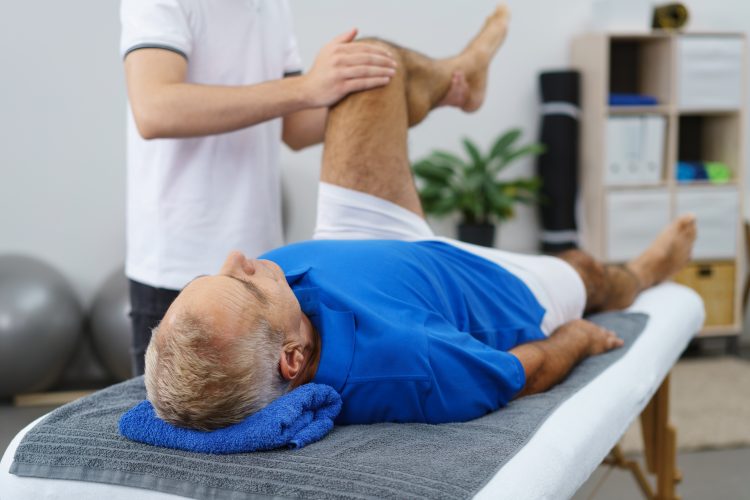
Following knee surgery, you will need some form of physical therapy. Some of this is usually assisted by a physiotherapist, but some you will be required to do on your own too.
Get an idea from your doctor on what type of exercise could apply to your specific situation and start practising. Also, give any crutches a trial run.
After surgery you may feel a little vulnerable whilst you adjust to a new regime, temporarily. By getting some practice in advance, when the time comes you will feel more confident.
(7) Get your home ready
Clearing your home in advance of surgery is always advisable. Make space for you to move around easier, if you have crutches or a walker, will help minimise the risk of injury to you, or breakages to your belongings.
Safety rails can be added by the toilet and in the shower, or bath, to ease your movement.
Ensure regularly-used items are easy to reach. Particularly if you live on your own, make sure your phone is in a suitable place, so you don’t feel isolated.
Another suggestion is to stock up on groceries and freeze pre-made meals that you can easily re-heat. Cooking a three-course dinner may not be something you feel up to in the weeks following surgery!
Hopefully it won’t take you long to get back on your feet, but in the meantime, it is essential to be as comfortable as possible.
(8) Seek help
Whilst you recover, you will need some help, so it is wise to make a plan in advance of your surgery so you are not stranded.
Friends, family and neighbours are usually only too happy to lend a hand in these situations.