


Game, Set, Ouch! Avoiding These Common Tennis Injuries
As Wimbledon season closes, the number of people taking up tennis, or whose interest in the sport has been rekindled by the Centre Court action, is predicted to rise as it does every year.
As Wimbledon season closes, the number of people taking up tennis, or whose interest in the sport has been rekindled by the Centre Court action, is predicted to rise as it does every year.
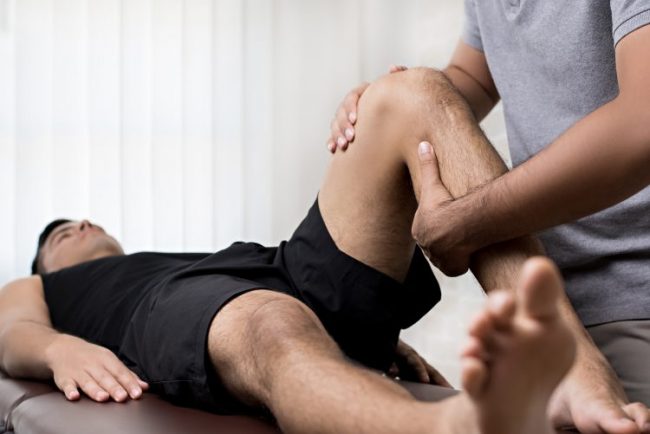
Once people have got their joint replacement surgery out of the way, there is a tendency to breathe a sigh of relief and think “that’s that”.

Whether you’re jetting off somewhere exotic, or you’re taking a “staycation” here in the UK, one of the things you don’t want to be bringing back from holiday with you is a strain, fracture or other injury.
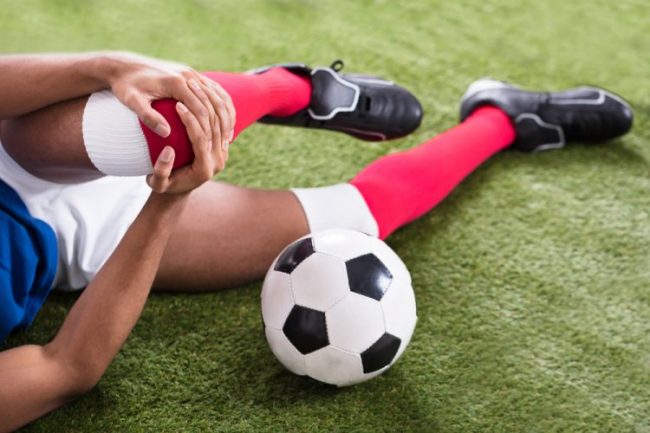
While the rest of the country is watching eagerly to see if England make it through the qualifying rounds of the World Cup 2018, at Carrothers Orthopaedics we will be watching out for the surge in football-related injuries that accompanies every major football tournament.
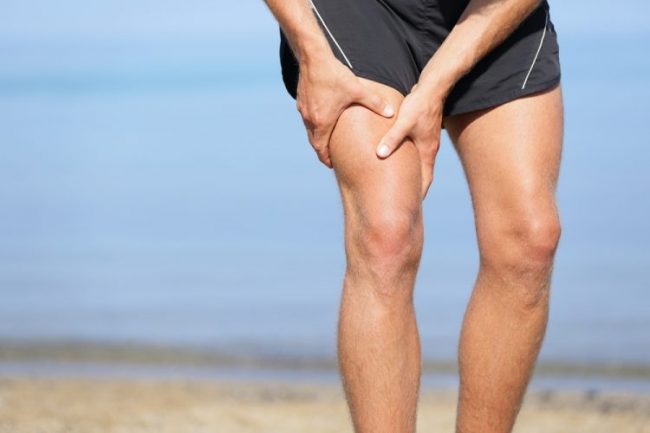
The terms “rupture” and “tear” tend to be used interchangeably when referring to tendon and ligament injuries. But, is there a difference? A tear can be partial or complete. When you experience a complete tear it is, essentially, the same thing as a rupture.
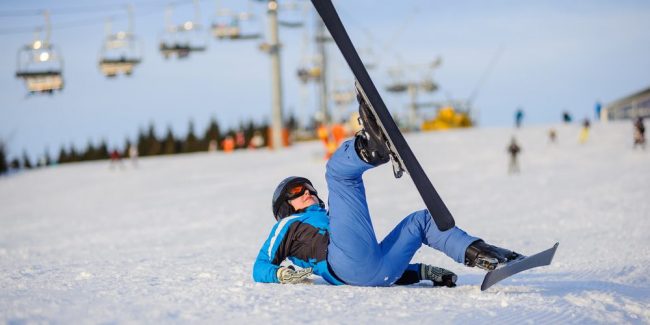
It can be incredibly frustrating… you’ve looked forward to your winter holiday for months and, then, after only a day or two on the slopes, you fall badly and hurt yourself. Why should you not ignore the signs of injury or strain?
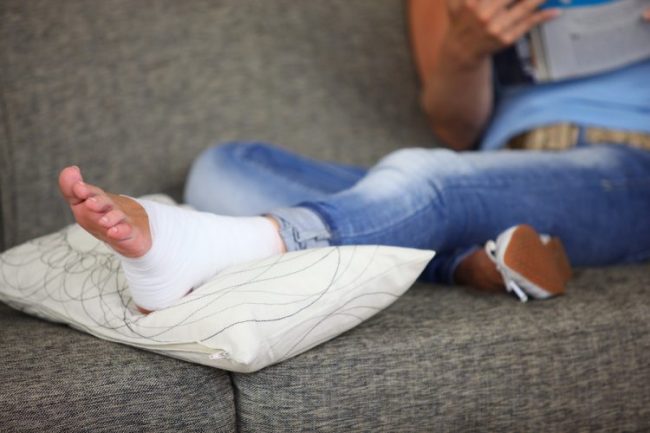
The Lisfranc joint is an intricate mesh of bone and ligament in the middle of the foot. It is the point at which the long bones that lead up to the toes (the metatarsals) connect with the bones in the arch of the foot (the tarsals).

We commonly use the term “hairline fracture” to refer to a specific type of fracture that typically occurs in the foot or lower leg. But, what is a hairline fracture and what is the difference between this and an ordinary fracture?

More than 12 million of us in the UK are preparing to jet off on Winter holidays, according to the Association of British Travel Agents. Are you one of them? If so, are you prepared as best as possible to avoid any winter sports injuries? These range from pulled muscles, cuts and bruises, to more…
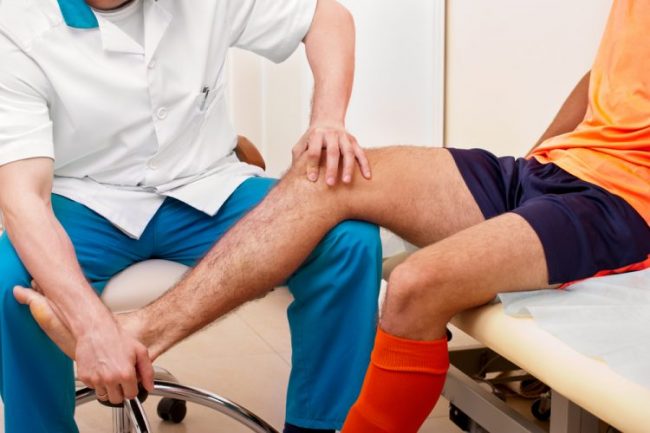
Footballers suffer more injuries than in just about any other sport. Most are caused by colliding with other players or landing awkwardly from a jump. Roughly a quarter of injuries are due to overuse and develop gradually over time. So, what can players (and their concerned parents!) do to protect themselves from getting injured?