Exercise is good for us. It’s good for our mental and physical health. It helps to keep us fit and provides an outlet for us socially. But it also increases wear and tear on our joints and it raises our risk of injury. If you’re suffering from unresolved or long-term sporting injuries, here are some reasons to make this the year to take action.
Common Sports Injuries
There are many different sport-related injuries which can range from minor sprains and strains to serious dislocations and fractures. Repetitive strain injuries are common but so, too, are trauma-based injuries caused by falls, collisions and accidents. Here are some of the most common sporting injuries we treat at Carrothers Orthopaedics:
- Knee Ligament injury – there are a number of important knee ligaments (ACL, PCL, medial and lateral collateral ligaments) which all supports your knee and helps to keep it stable. Sudden changes in direction can strain or tear ligaments, causing swelling and loss of stability in the knee.
- Fractures – these can occur as the result of a sudden traumatic accident or you may develop a stress fracture from making a repetitive movement, including running, jumping or hitting a ball.
- Jumper’s Knee – also called patellar tendinitis, this is a common knee injury in sports that involve repeated jumping, such as volleyball and basketball. It is injury or inflammation to the tissue connecting your shin bone, kneecap and thigh muscles.
- Dislocations – dislocations occur when the ends of the bone are wrenched out of position as the result of a heavy impact, collision or fall. Symptoms include severe pain, swelling and inability to move the affected area.
- Shin splints – this type of injury is due to the muscles and tendons insertions around the shin becoming inflamed. It is common among runners and causes pain in the front of the lower leg which eases with rest.
- Sprains and strains – a sprain is the result of stretching or tearing of the ligament where it joins a joint. They vary from mild stretching to a complete rupture. Strains affect the muscles and they are caused by overextension, causing the muscle to stretch or tear. They are commonly associated with lifting, jumping or running.
Impact of Long-Term Sports Injuries
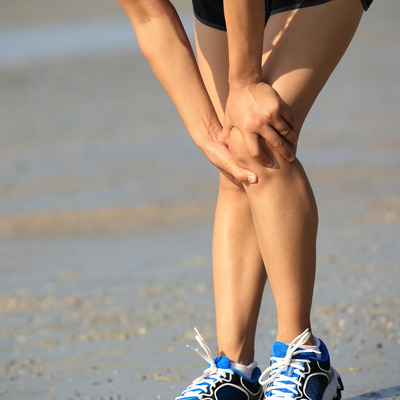 Where a sporting injury is severe or acute, you normally have no choice but to rest the affected area while it heals. However, in the case of less serious injuries or injuries that develop over time, it may be tempting to keep going in spite of the pain. This is a mistake. Pain is our body’s signal that something is wrong and ignoring it puts you at risk of more serious injury.
Even if the problem does not worsen immediately, there can be long-term consequences that are best avoided. One of the most common of these is arthritis.
While we tend to think of arthritis as a condition that is linked to ageing (Osteoarthritis is also called wear and tear arthritis for this reason), post-traumatic arthritis is liked to injuries to the joints, including sporting injuries.
After a traumatic injury such as a dislocation or fracture, inflammation and cartilage degradation can develop in the joint leading to post-traumatic arthritis.
And, while this may be a temporary issue lasting a few months, in some cases it becomes chronic and progressive, leading to long-lasting symptoms and a decline in quality of life.
Post-traumatic arthritis affects around five million people a year – approximately 10% of osteoarthritis cases.
You are seven times more likely to develop arthritis in a joint that has been injured compared to someone who has never experienced a joint injury. It can occur in any joint but most commonly in the hips, knees, ankles and elbows. While post-traumatic arthritis cannot be prevented, you may be able to avoid developing a more serious injury if you treat minor sporting injuries early. And, if you do develop post-traumatic arthritis, there are steps you can take to reduce the impact on your life.
Diagnosis and Treatment of Sports Injuries
Diagnosis of sporting injuries will depend on the type and severity of injury that you have sustained. Some injuries require only a physical examination to confirm the diagnosis. Others will require diagnostic imaging such as X-ray, CT scans, MRI or ultrasound to identify the type and extent of the damage. Treatment, too, can vary – from simple at-home care using the RICE method (rest, ice, compression, elevation) through to surgical repair and even joint replacement.
Not every sporting injury requires a consultation with an orthopaedic surgeon, but if you have a niggling injury that won’t heal, if you are experiencing a worsening of symptoms or if you would simply like to put your mind at rest, why not make this the year you seek medical help? It could make a significant difference to your quality of life, both now and in the long-term.
Talk to an orthopaedic consultant | Cambridge
We are always happy to provide information and guidance about the various treatment options, both surgical and non-surgical, including Mako robotic arm assisted surgery and conventional surgery.
For more information, please contact us.
Our consultation fees are clearly presented here.
For your convenience, we offer appointments at both Nuffield Hospital Cambridge and Spire Cambridge Lea Hospital.