In recent years, you may have noticed that there’s been a greater focus than ever before on the importance of vitamin D. As orthopaedic surgeons, we welcome this increased awareness as, along with calcium, vitamin D is an essential nutrient for building and maintaining healthy bones. Without vitamin D, our bodies can only absorb 10-15% of the calcium we consume.
In this article, we’ll take a look at where vitamin D comes from, why our bodies need it and how to make sure you’re getting enough.
What is vitamin D?
Vitamin D is naturally present in a few foods, but it is mainly produced in the skin when it is exposed to the sun’s ultraviolet rays. For this reason, some people consider vitamin D to be a hormone rather than a vitamin. Either way, it is essential for the healthy functioning of our bodies.
In addition to sunlight, Vitamin D is found in:
- Oily fish such as salmon, mackerel, sardines and trout
- Red meat
- Egg yolks
- Some fortified foods such as breakfast cereals
- Liver (not suitable if you are pregnant)
Why is vitamin D so important?
Vitamin D helps regulate the amount of calcium and phosphate in the body, essential for healthy bones, teeth and muscles. Without enough vitamin D, children can be at risk of bone deformities, such as rickets, and adults may be susceptible to conditions like osteomalacia.
Some evidence suggests that low levels of vitamin D are linked to chronic diseases including cancer, multiple sclerosis and heart and circulatory disease. According to recent research, vitamin D is also important for brain development and improving our immunity. There are indications that there may be a link between vitamin D and obesity, mood disorders and certain autoimmune and immunological problems. Vitamin D has also been shown to play an important role in wound healing and the correct function of the immune system.
How much vitamin D do we need?
While there is no agreed minimum daily dose, generally it is recommended that adults take a supplement containing 10 micrograms (10 μg, equivalent to 400 IU) of vitamin D each day during the autumn and winter months.
Why might we need a vitamin D supplement?
Most people don’t get enough vitamin D from diet alone when the levels of sunlight are low. In the northern hemisphere, this tends to be between October and early March, so the government’s advice is that everyone should consider taking a vitamin D supplement at these times. You may need to take vitamin D supplements all year round if you don’t spend much time outdoors, if you cover most of your skin when outdoors or if you have dark skin (for example you have an African, African-Caribbean or South Asian background). Children may also need to take an appropriate vitamin D supplement.
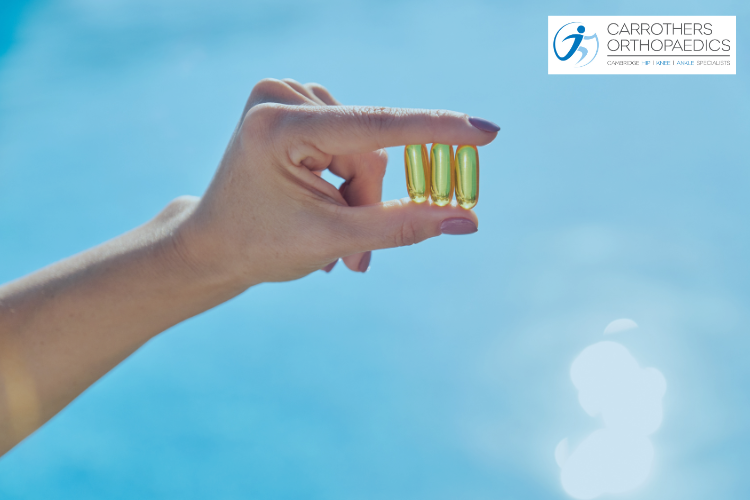
Supplements can be taken in the form of pills or drops. It is important to follow the manufacturer’s instructions regarding dosage as taking too much vitamin D over a long period of time can cause too much calcium to build up in the body which may weaken the bones and damage the heart and kidneys. While it’s not possible to overdose on vitamin D through exposure to sunlight, it’s important to be aware of the risk of skin damage and skin cancer if you’re out in the sun for long periods.
Who is at particular risk of vitamin D deficiency?
Changes in lifestyle mean that most of us receive far less exposure to sunlight than our ancestors did. This is because we tend to spend more time indoors in front of computers and phones and, even when we are outside, advice about using sunscreen to protect against skin cancer means our body is prevented from making optimum vitamin D levels from the sun.
In addition to the at-risk groups mentioned above, people who may be particularly susceptible to vitamin D deficiency include those who are housebound or who live in an institution such as a care home.
Vitamin D and Joint Replacement surgery
If you have been referred for joint replacement surgery, you may need to take additional supplementation, specifically if you are deficient. Adequate vitamin D levels may help to reduce postoperative complications like infection and it may also improve overall recovery by boosting your body’s natural healing systems.
Your doctor may recommend a vitamin D test prior to surgery and adjust levels with supplements and changes to diet.
For further information about bone and muscle health and supporting your orthopaedic journey, contact us.
Talk to an orthopaedic consultant | Cambridge
We are always happy to provide information and guidance about the various treatment options, both surgical and non-surgical, including Mako Robotic Arm Assisted Surgery and conventional surgery.
For more information, please contact us.
Our consultation fees are clearly presented here.
For your convenience, we offer appointments at both Nuffield Hospital Cambridge and Spire Cambridge Lea Hospital.